
Prof. Yi Cheng’s research interests lie in the field of multiphase reactor engineering in relation to the applications for energy, environment and materials. The research activities combine conventional reaction engineering (e.g., fluidization) with unconventional means of process intensification (i.e., plasmas and confined micro-channel or micro-droplets), aiming to integrate new physics and new chemistry so as to develop new processes. The current efforts are stimulated to explore the electricity-driven processes and precise production of highly value-added chemicals / materials, in which sophisticated techniques in experimental study and molecular-level theoretical aspects are involved. Several on-going projects are given below.
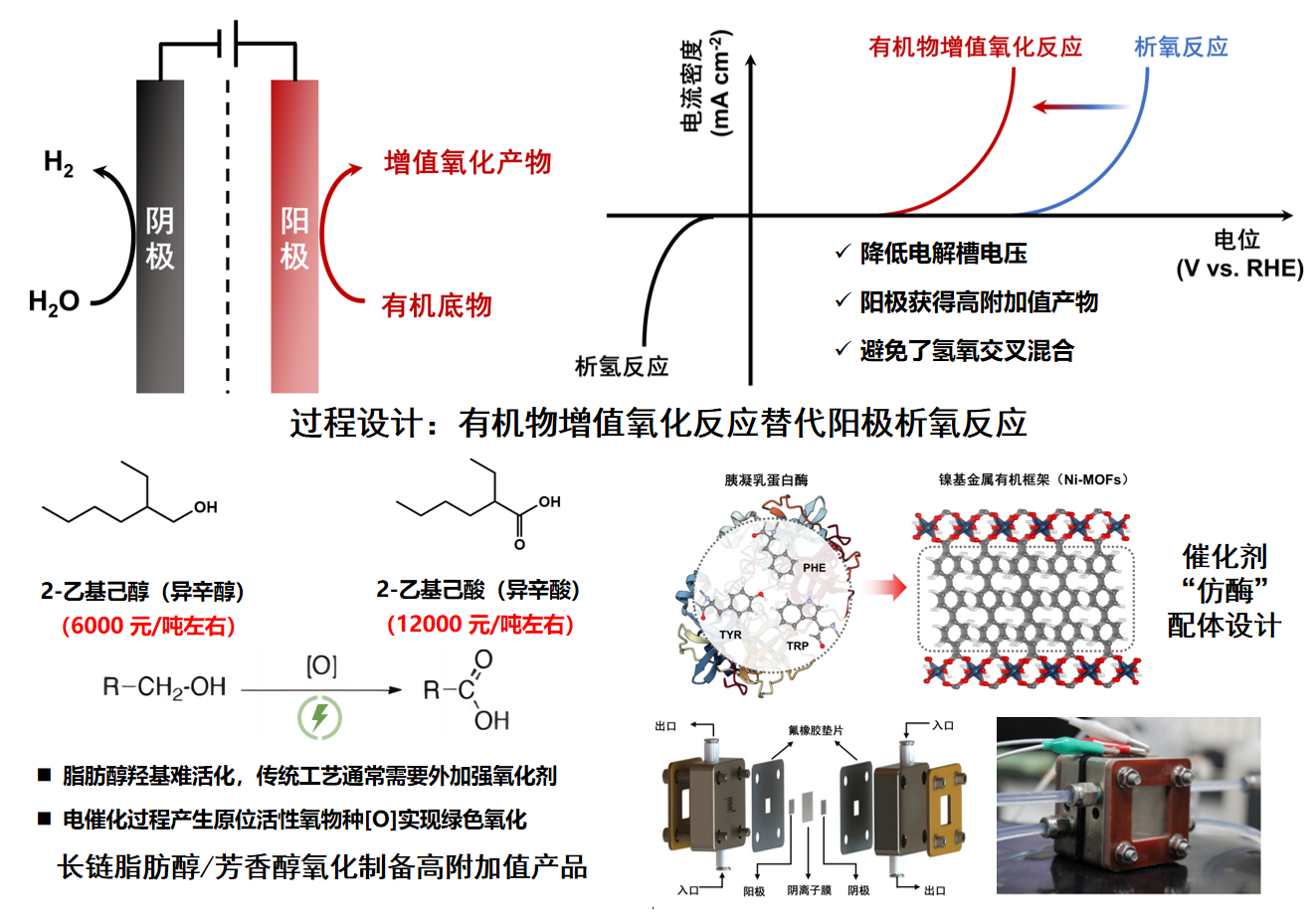
Coupling renewable electricity with water electrolysis for hydrogen production provides a promising strategy for distributed and long-duration energy storage, serving as an important pathway toward energy transition. However, conventional water electrolysis suffers from high energy consumption and low hydrogen production efficiency under practical conditions. Replacing the anodic oxygen evolution reaction (OER) with value-added electrochemical oxidation of organic molecules, such as the selective oxidation of alcohols and aldehydes, can not only improve the economic viability of hydrogen production but also reduce the overall electrolysis voltage. This research focuses on the development of unconventional water electrolysis systems coupled with anodic electrochemical oxidation processes. The major research topics include reaction mechanism elucidation, design of highly active and stable electrocatalysts, and development of novel electrochemical reactor systems.
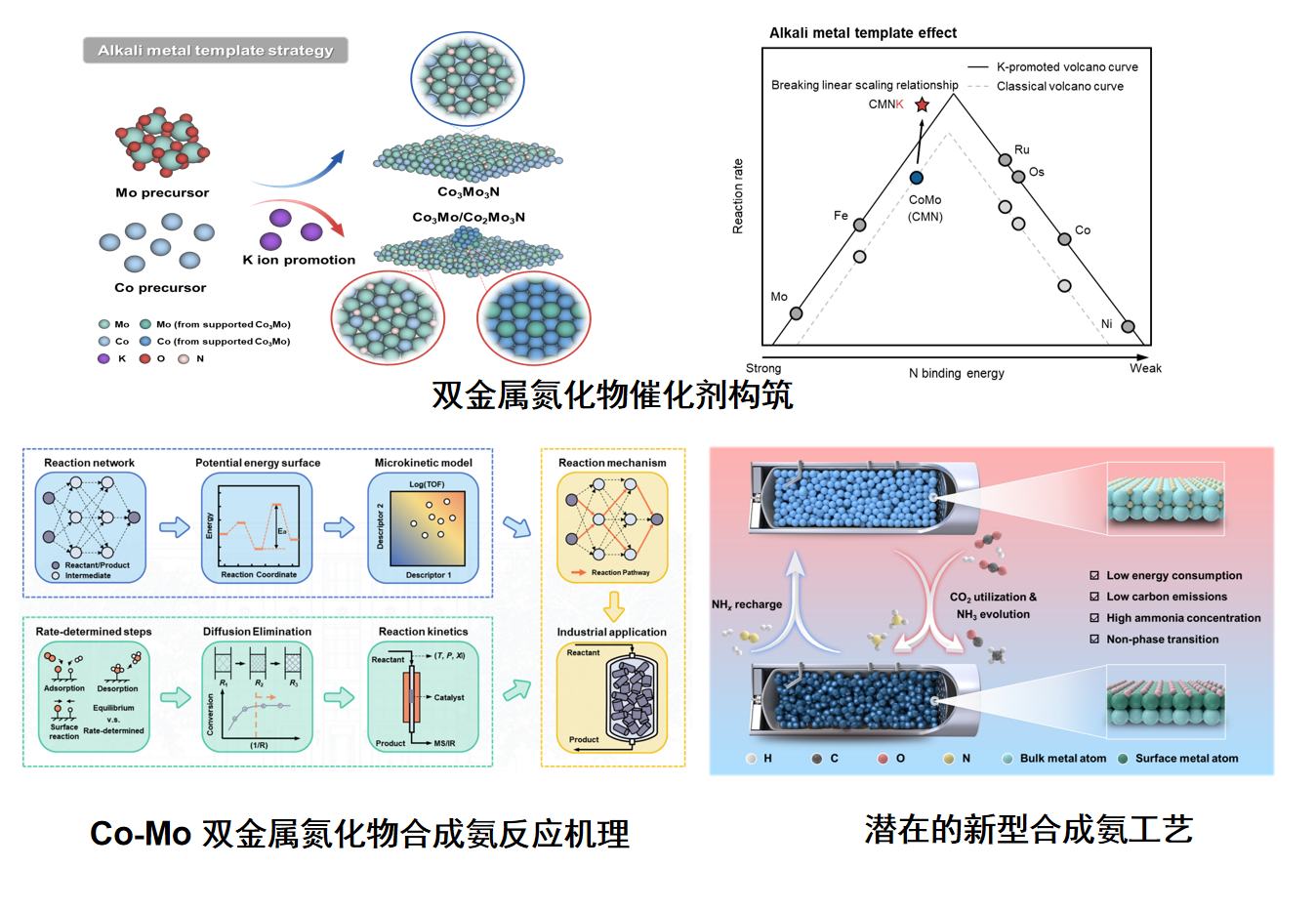
Nitrogen (N₂) is an essential nitrogen resource and plays a crucial role in ammonia synthesis and the production of nitrogen-containing chemicals. However, the activation of N₂ molecules remains challenging due to their strong triple bond, resulting in high activation barriers and harsh reaction conditions. Developing efficient catalysts and green nitrogen conversion technologies is of great significance for achieving low-energy and sustainable chemical processes. This research focuses on bimetallic nitride catalyst systems. Through catalyst structure engineering and reaction process optimization, we aim to elucidate the mechanism of N₂ activation, explore efficient nitrogen conversion pathways, and develop novel green catalytic processes for ammonia synthesis and the production of organic nitrogen-containing compounds.
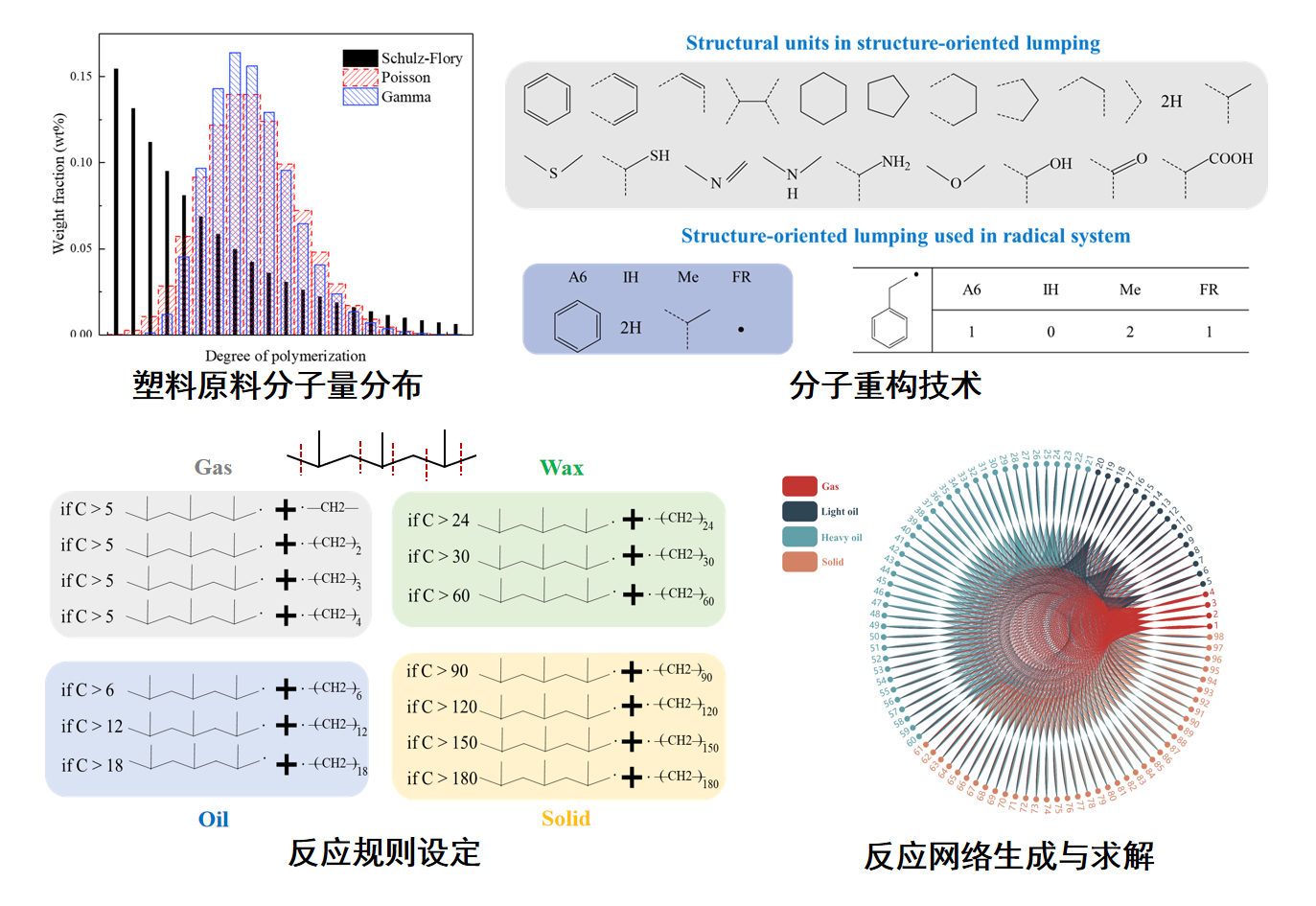
Global plastic production has increased dramatically from 1.5 million tons in 1950 to 359 million tons in 2018. Due to the durability and resistance to degradation of plastics, discarded plastics may require 200–500 years to completely degrade in the natural environment. Currently, plastic waste has caused severe environmental pollution and resource loss worldwide. China currently has accumulated approximately 1 billion tons of plastic waste, with around 60 million tons generated annually. Moreover, producing one ton of plastics from fossil resources emits approximately 5.1 tons of CO₂, whereas chemical recycling of waste plastics to produce one ton of plastics can reduce emissions to approximately 1 ton of CO₂. Therefore, the development of economical and efficient technologies for plastic waste valorization is urgently needed. This research direction aims to develop advanced technologies for plastic conversion and recycling, including conventional and unconventional thermochemical conversion processes, catalytic pyrolysis, molecular-level kinetic modeling, and machine learning-assisted analysis of complex reaction data.
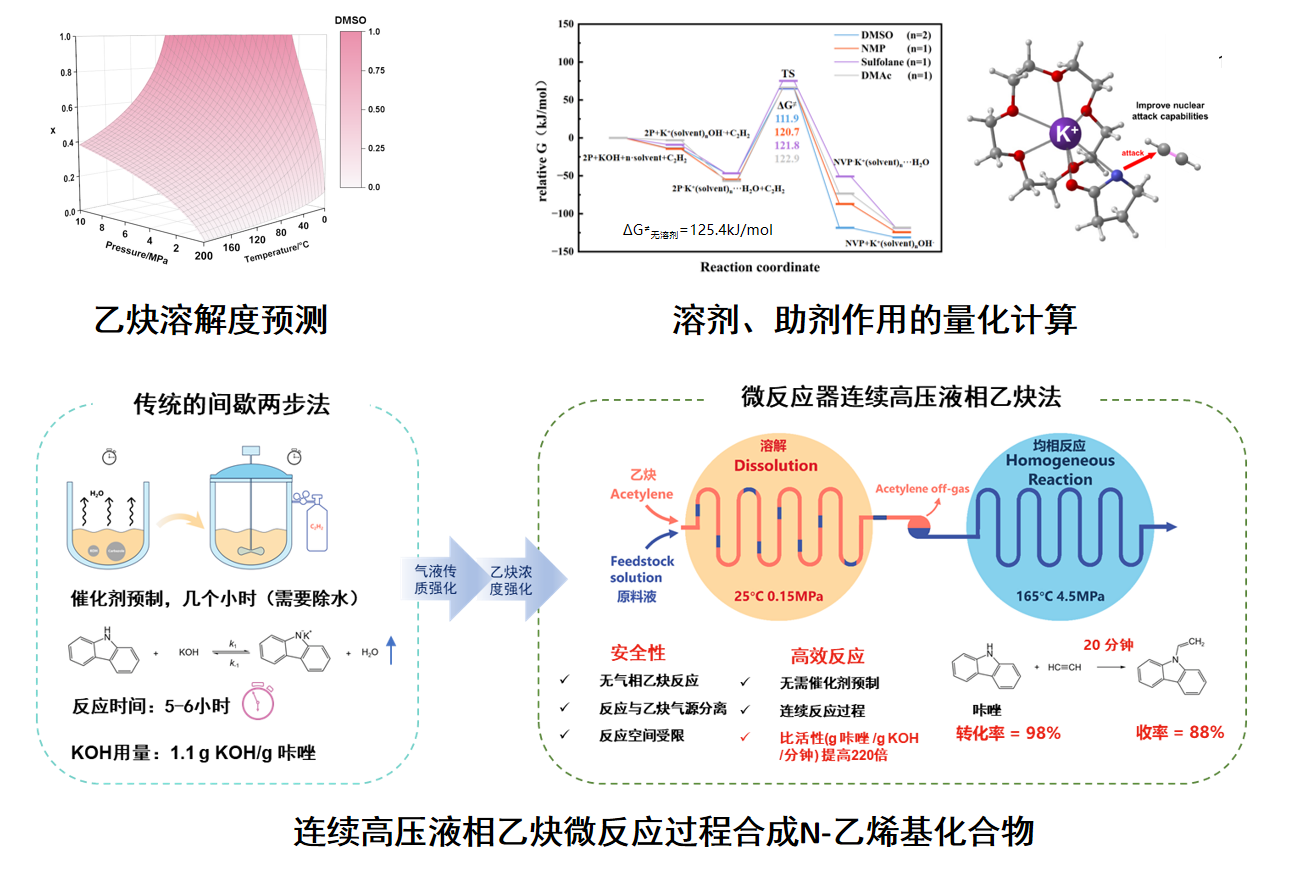
N-vinyl compounds are important monomers for polymer synthesis and are typically produced through addition reactions between precursor molecules and acetylene. As high-value specialty chemicals, N-vinylpyrrolidone (NVP) can be polymerized into polyvinylpyrrolidone (PVP), which is widely used in pharmaceutical applications and is recognized as one of the three major synthetic pharmaceutical excipients worldwide. PVP also has applications in advanced medical devices, including hemodialysis membranes and artificial vitreous bodies. N-vinylcarbazole is a high-performance electronic chemical material, and its polymer, poly(N-vinylcarbazole) (PVK), possesses excellent photoconductive properties and can be used in the fabrication of thermoplastic holographic imaging materials without darkroom processing. This research focuses on developing efficient, green, and safe large-scale production technologies for N-vinyl compounds based on high-pressure liquid-phase acetylene microreaction processes. The research involves acetylene solubility prediction using COSMO-RS models combined with machine learning, homogeneous catalytic mechanisms, microchannel reactor technologies and equipment, micro/nanobubble technologies, and multiphase microfluidic CFD simulations.
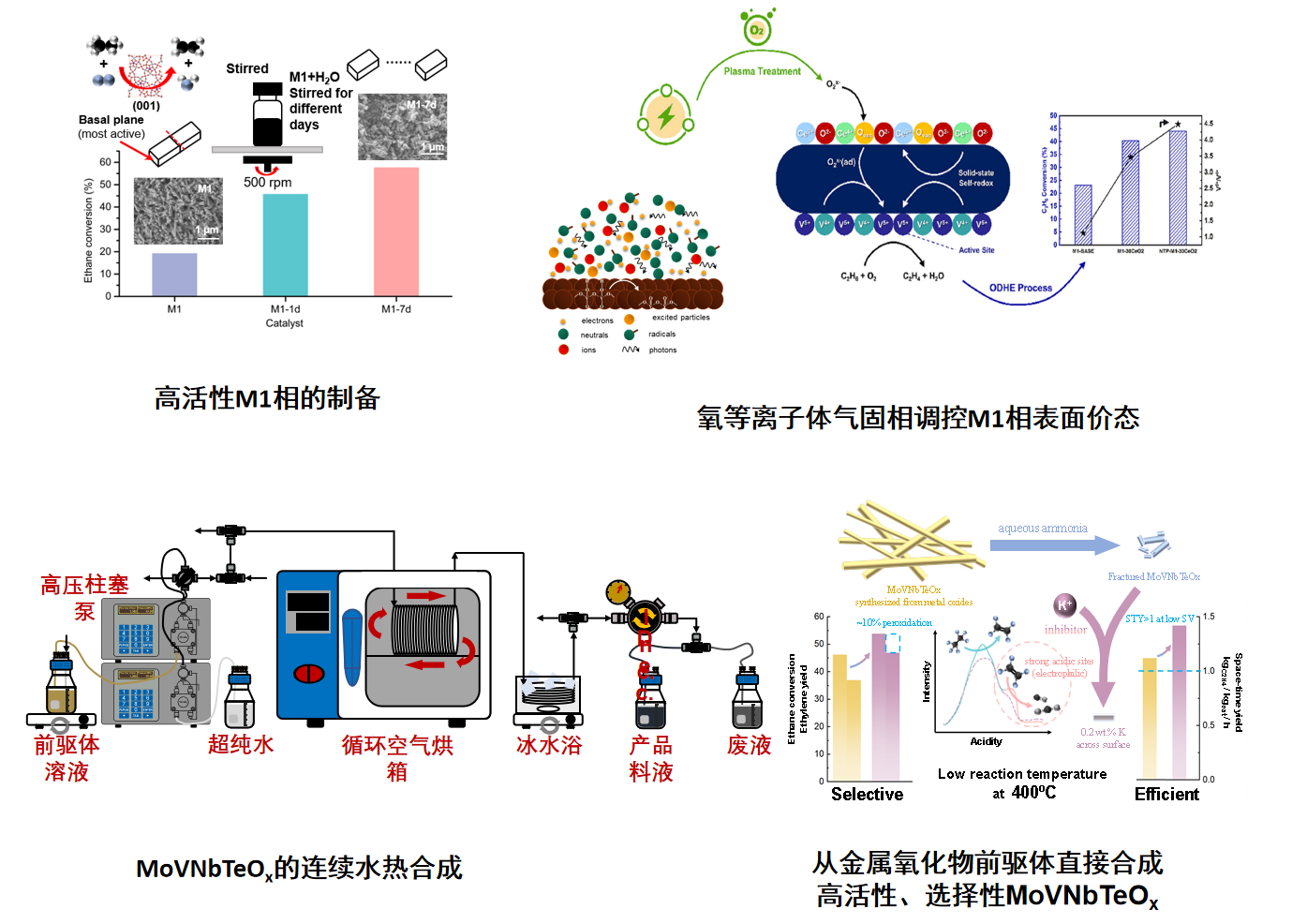
With the increasing trend toward lightweight feedstocks in global ethylene production, oxidative dehydrogenation of ethane to ethylene has emerged as one of the most promising alternative technologies for ethylene manufacturing. Among various catalysts, MoVNbTeOx catalysts exhibit excellent potential for industrial applications due to their low-temperature activity, high catalytic activity, and outstanding selectivity. This research investigates the synthesis, catalytic performance, and synergistic mechanisms of novel mixed metal oxide catalysts based on the M1 phase MoVNbTeOx catalyst. Furthermore, the effects of low-temperature plasma treatment under different gas atmospheres on the elemental valence states, phase structures, catalytic activity, and selectivity of metal oxide composite catalysts are systematically investigated. This research aims to establish plasma-assisted catalyst regulation strategies and develop microstructured reactor technologies for efficient ethane oxidative dehydrogenation.
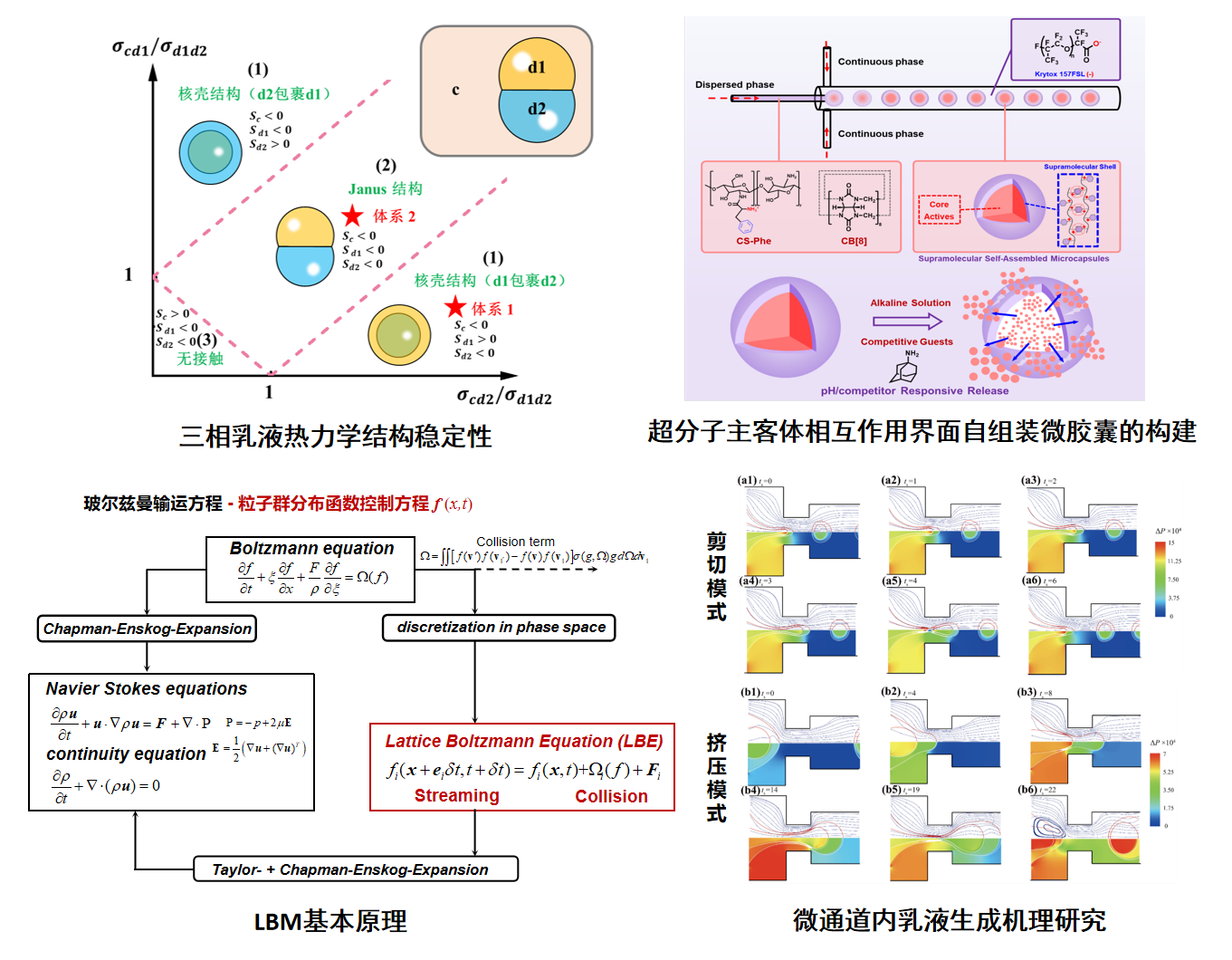
Microfluidic technology represents one of the important frontier research directions in chemical engineering. Based on the concepts of equipment miniaturization and process intensification, microfluidic technology in chemical engineering involves various microscale units, including micromixers, microreactors, microabsorbers, microextractors, and microheat exchangers. These technologies have been widely applied in fine chemicals, biological detection, pharmaceuticals, materials, energy, electronics, and other fields. The fundamental scientific challenges in this field involve understanding complex multiphase fluid dynamics, mixing, mass transfer, and reaction behaviors confined within micrometer-to-millimeter-scale geometries. This research focuses on complex microscale flow phenomena in microchemical engineering. By developing mesoscopic theoretical frameworks based on the Lattice Boltzmann Method (LBM), we aim to reveal the mechanisms, characteristics, and regulation strategies of multiphase microflows, thereby guiding the industrial application of microchemical technologies.
In addition to the research directions mentioned above, the group is also conducting ongoing research and has established long-term research activities in the following areas:
² Controlled production of Janus particles by droplet-based microfluidic technique
² Hydrogen production of steam reforming in milliseconds in micro-channel reactors
² Thermal plasma pyrolysis of coal and other hydrocarbons to acetylene, ethylene and hydrogen
² UV/plasma enhanced gas-solid chlorination of PVC for cleaner production of CPVC
² CO2 conversion by electricity driven process
² Drug nanoparticles preparation by droplet-based microreactors
² Milliseconds mixing of liquids by jet mixer